
The importance of websites for business today
In the digital age, the presence and effectiveness of a company's website can greatly impact its success.



In the digital age, the presence and effectiveness of a company's website can greatly impact its success.

In the rapidly evolving digital landscape, businesses increasingly rely on their online presence to connect with customers, increase sales, and enhance credibility.

In today's digital age, businesses have more opportunities than ever to connect with their audiences, build a strong brand presence, and engage customers.

In the age of digital communications, websites have evolved from simple online brochures to dynamic platforms for interacting with customers and building community.

In an agile software development environment, Quality Assurance (QA) practices play a crucial role in ensuring that software products meet quality standards, customer requirements, and business objectives.

In the era of rapid digital transformation, organizations are increasingly turning to Agile methodologies to navigate complexity, drive innovation, and deliver value with speed and precision. At the forefront of this Agile revolution stands Scrum, a powerful framework that empowers teams to adapt, collaborate, and thrive in the face of dynamic challenges.
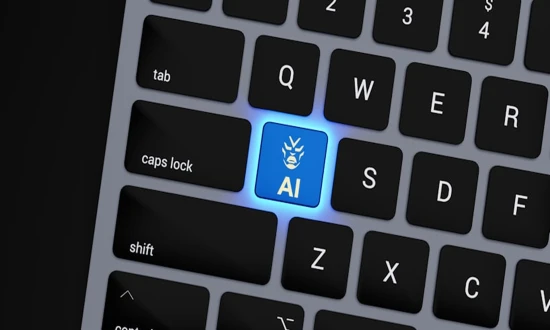
In 2024, the realm of Artificial Intelligence (AI) is experiencing a significant transformation, marked by both advancements and challenges.

H2O.ai is a leading open-source artificial intelligence (AI) and machine learning software platform designed to democratize AI and make it accessible to a wide range of users. Founded in 2012 by Sri Ambati, Cliff Click, and Tomas Nykodym, H2O.ai has grown into a significant player in the AI industry. The company’s primary mission is to simplify and streamline the AI and machine learning processes, enabling businesses and individuals to leverage advanced analytics without the need for extensive technical expertise.
5G is the fifth generation of mobile network technology, designed to deliver faster speeds, lower latency, and greater connectivity compared to previous generations. It supports more devices simultaneously and enables advancements in areas like autonomous vehicles, smart cities, and the Internet of Things (IoT) by providing a more reliable and efficient network.